
We provide trauma-informed, identity-aware safety training, risk assessment and consultation across every kind of reporting environment.
HOLISTIC SAFETY
WHAT WE DO
Our training and risk-management support is built on comprehensive threat modeling and risk assessment. Every engagement incorporates trauma-informed reporting practices, the sociopolitical dynamics of hazardous environments, digital security, first aid, psychological safety and situational awareness.
Ready to build a holistic safety practice?
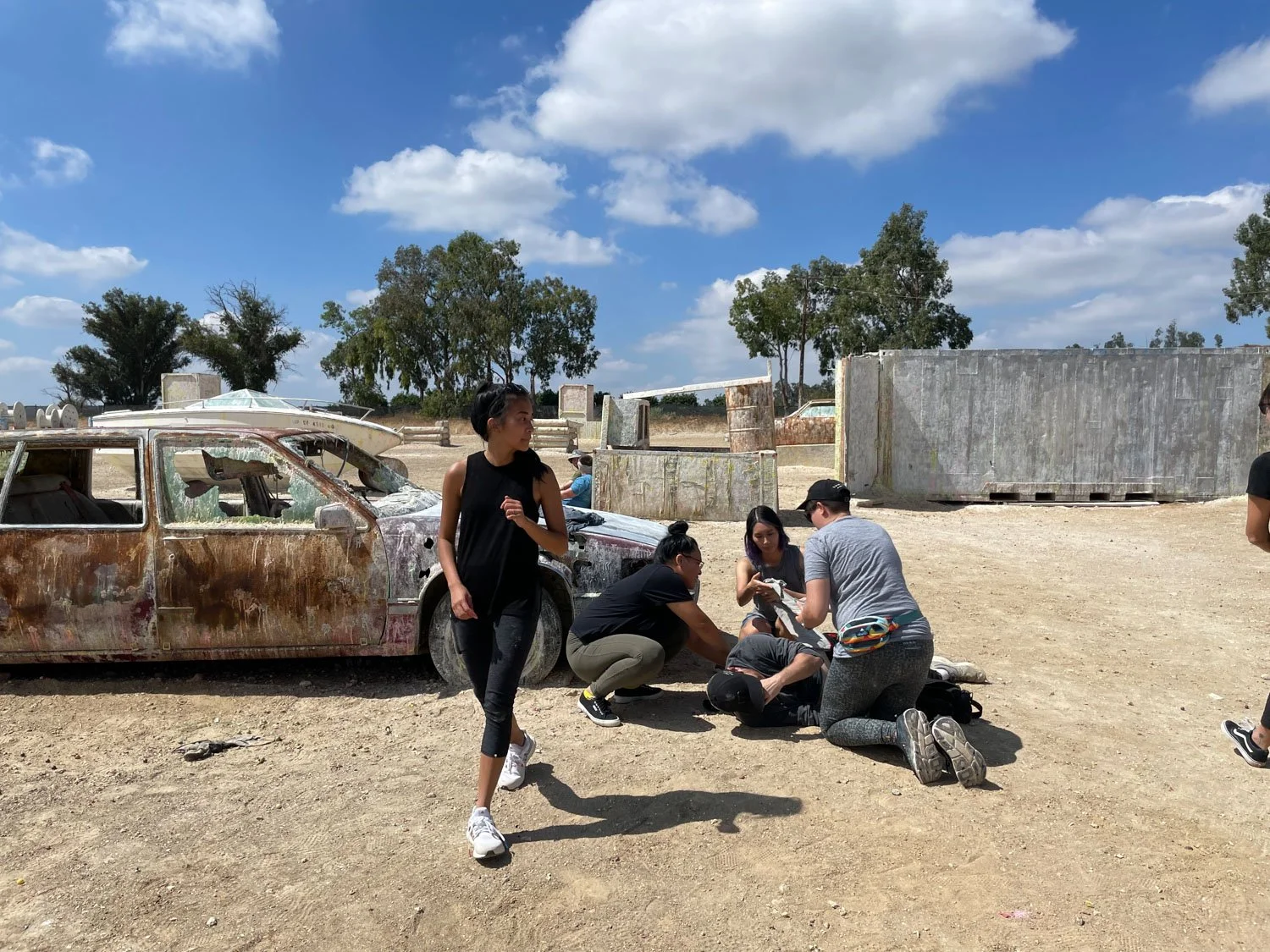

Holistic safety training for journalists and media makers.
WHO WE ARE
Our safety advisors are journalists, educators and communications specialists with 20+ years of experience reporting in wide-ranging global environments — civil unrest, combat zones and environmental disasters — plus deep expertise in digital security, strategic communication, science-based de-escalation and trauma-informed practice, and physical and psychological health. Meet the team
WHY AEGIS
We combine expertise in physical safety, de-escalation and identity-aware practice to deliver holistic training for journalists of all backgrounds and bodies, working in any environment. Pairing decades of international reporting experience with research-backed knowledge of the cognitive science and journalism scholarship that informs holistic safety, Aegis security advisors have been at the forefront of innovating safety training and duty-of-care practices around the world since 2022.
WHY WE DON’T SAY “HOSTILE”
Traditional safety training frames the world as hostile — as in the industry-standard HEFAT (Hostile Environment and First Aid Training). That militaristic framing (originated by ex-military rather than journalists) creates an us-vs.-them mentality between journalists and the communities they report on and within. Outside of combat zones, entering a space treating sources as hostile combatants actually increases risk for media workers.
Aegis trains beyond the idea of hostile environments — applying culturally knowledgeable, identity-aware reporting practices toward harm reduction for everyone in the reporting environment.